Compare Local Contractors for Deep Foundation Installation Projects
Compare local contractors for deep foundation installation to define scope, verify experience, and set clear expectations for a successful project.
Deep foundation installation is a specialized area of construction that involves creating stable support systems for buildings and other structures. This work typically includes driving piles, drilled shafts, or caissons into the ground to reach stable soil or bedrock, ensuring the load-bearing capacity of the foundation. Properly installed deep foundations are essential for supporting large structures, preventing settlement, and ensuring long-term stability. Contractors in this field often work closely with engineers and project planners to determine the most suitable method based on soil conditions, the type of structure, and site-specific factors.
Clearly defining the scope of deep foundation work is a critical step in ensuring a successful project. A well-outlined scope helps property owners understand what is included, such as the type of foundation system, the extent of excavation or drilling, and any additional services like soil testing or site preparation. Having detailed documentation reduces the risk of misunderstandings and helps set realistic expectations. It also provides a basis for comparing proposals from different service providers, facilitating a more informed decision-making process.
When evaluating local contractors for deep foundation installation, property owners should consider their experience with similar projects and their familiarity with local soil conditions. Comparing credentials, project portfolios, and references can offer insights into a contractor’s capabilities and reliability. It’s also important to review how each contractor approaches scope definition and communication, ensuring they can provide detailed, written plans that align with project needs. By thoroughly assessing these aspects, property owners can select a service provider that best matches the requirements of their foundation project and ensures clear, consistent collaboration throughout the process.
Compare local contractors by outlining project priorities, verifying experience, and setting clear expectations in writing.
- Compare Contractor Experience - Review the background and project history of local contractors to assess their expertise in deep foundation installation.
- Define Project Scope Clearly - Establish detailed work requirements and expectations in writing to ensure mutual understanding.
- Verify Qualifications and References - Check references and past project outcomes to evaluate the reliability of service providers.
- Request Written Agreements - Obtain detailed contracts that outline scope, responsibilities, and project specifications before work begins.
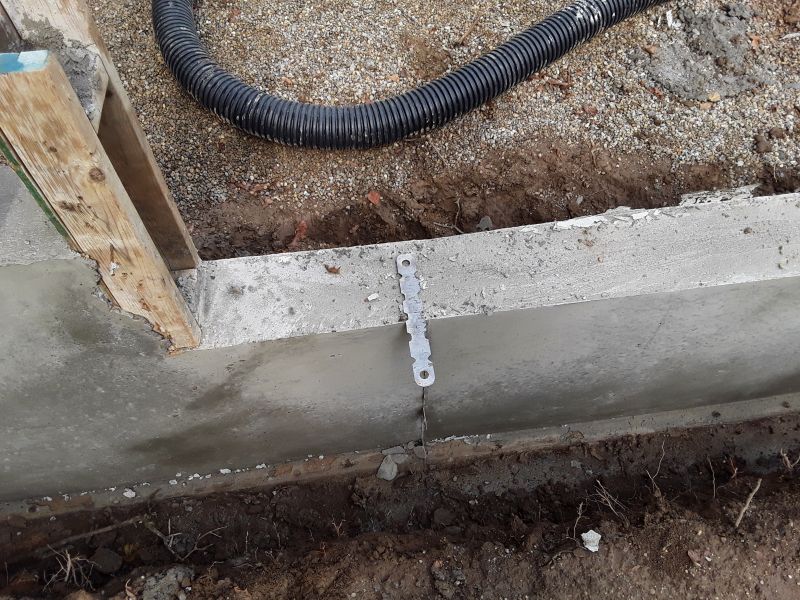
Clearly define your project scope and compare local contractors by verifying their experience and setting expectations in writing.
- Verify experience with deep foundation installation methods specific to the project scope. - Ensure contractors can demonstrate relevant project history and technical expertise.
- Define the scope of work clearly in writing to set expectations and prevent misunderstandings. - Confirm that all project details, responsibilities, and deliverables are documented.
- Assess the proposed foundation design and installation techniques for suitability and compliance with industry standards. - Look for detailed explanations of methods and materials used by local contractors.
- Request references or case studies to review previous deep foundation projects completed by the service providers. - Gather insights into the quality and reliability of their work from past clients.
- Ensure that site conditions and soil reports are considered and discussed during the planning process. - Confirm that contractors evaluate and incorporate local geotechnical information.
- Compare multiple local contractors to evaluate their approach, experience, and clarity in communication before making a decision. - Use consistent criteria to ensure a thorough and fair comparison.
Compare local contractors' experience and scope definitions to ensure clear project expectations.
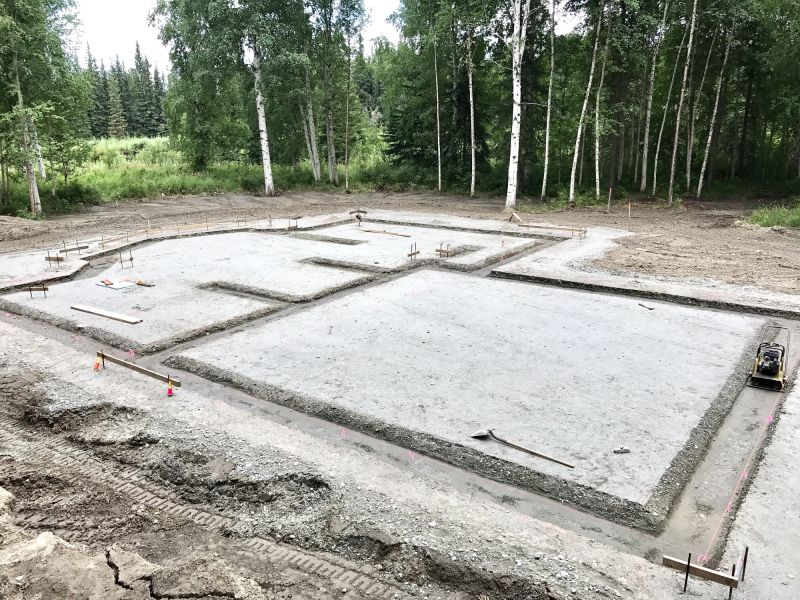

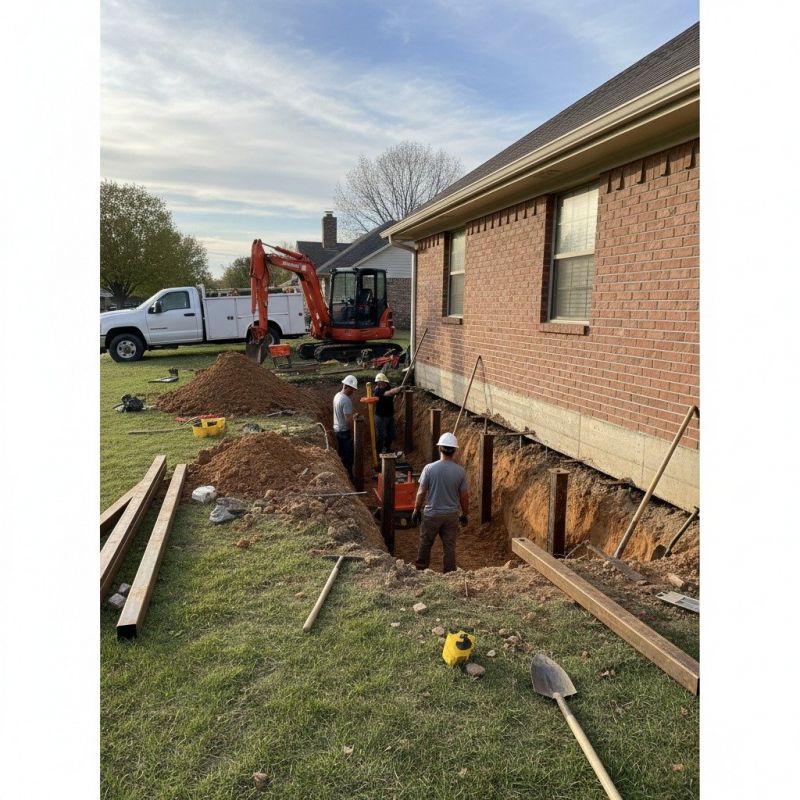

This section guides you on comparing local contractors for deep foundation installation by maintaining consistent scope and experience criteria.
- Scope Definition - Clearly outline the specific tasks and responsibilities involved in the deep foundation installation project.
- Experience Verification - Confirm that local contractors have relevant experience with the type of foundation work required.
- Material and Method Specification - Specify the types of materials and installation methods to be used for the foundation.
- Quality Standards - Establish quality expectations and standards that the work must meet throughout the project.
- Documentation and Agreements - Ensure all scope details are documented and agreed upon in writing before work begins.
When comparing contractors for deep foundation installation, it’s important to evaluate their experience with similar types of projects. Homeowners should inquire about the scope of previous work, specifically whether the service providers have handled foundations of comparable size, soil conditions, or structural requirements. Contractors with relevant experience are more likely to understand the complexities involved and to anticipate potential challenges, leading to a smoother process and more reliable results. Gathering details about their past projects can help distinguish those with practical knowledge aligned with the specific needs of the site.
A clear, written scope of work is essential for setting expectations and avoiding misunderstandings. Homeowners should seek detailed descriptions of the services included, the methods to be used, and the materials involved. A comprehensive scope provides a roadmap for the project and serves as a reference point throughout the process. It also helps ensure that all parties agree on what will be accomplished, which is crucial for evaluating the completeness and professionalism of different service providers.
Verification basics involve confirming that prospective contractors have the necessary experience and a solid understanding of site conditions. While licensing and certifications are not the focus here, homeowners should verify references or reviews, ask for examples of completed projects, and discuss how each contractor plans to approach the specific challenges of the site. Understanding their methodology and level of expertise helps in assessing whether a service provider has the foundational knowledge needed to perform quality work safely and effectively.
Evaluating options without considering prices involves examining how each contractor plans to approach the project, the clarity of their scope, and their experience with similar projects. Homeowners can compare the level of detail provided in proposals, the professionalism of communication, and the consistency of their approach to site-specific requirements. Asking questions about their process, verifying their experience, and reviewing their proposed scope can help identify the service providers best suited to meet the project’s needs, ensuring a thorough and informed decision-making process.
Ask contractors to provide written scope details to ensure clear, consistent expectations throughout the project.
- Experience with Deep Foundation Installation - How do local contractors demonstrate their experience with similar foundation projects?
- Scope of Work Clarification - What specific tasks and responsibilities are included in each contractor’s proposed scope?
- Materials and Methods - How do contractors specify the types of materials and installation techniques they plan to use?
- Project Expectations in Writing - Are the project scope, deliverables, and responsibilities clearly outlined in written agreements?
- Comparison of Contractor Approaches - How do different service providers’ methods and approaches to deep foundation installation compare?
How can I compare contractors for deep foundation installation? To compare contractors, review their experience with similar projects, ask for references, and verify their familiarity with the specific foundation methods required for the job.
What should I include in the scope of work when hiring a contractor? Clearly define the project details, including the type of foundation, site conditions, materials to be used, and any specific requirements to ensure all parties understand the expectations.
How do I verify a contractor’s experience in deep foundation installation? Request information about previous projects, ask for references, and confirm their familiarity with the foundation techniques relevant to your project’s needs.
Why is it important to put project details in writing? Documenting the scope, expectations, and responsibilities helps prevent misunderstandings, provides a clear reference, and ensures accountability throughout the project.
What questions should I ask potential contractors before hiring? Inquire about their experience with similar projects, methods they recommend, how they handle unforeseen issues, and how they plan to coordinate with other site work.
How can I ensure the contractor understands my project’s requirements? Communicate your project scope clearly in writing, ask for detailed proposals, and confirm that they understand and agree with the outlined expectations.
This page has highlighted key considerations for selecting contractors capable of handling deep foundation installation projects. Visitors have learned the importance of clearly defining project scope, verifying relevant experience, and establishing written expectations to ensure a smooth process. Comparing local service providers through a straightforward quote form can help identify options that align with specific project needs and preferences.
Using the provided quote form allows for an efficient way to explore and compare local contractors specializing in deep foundation installation. It offers a simple step to connect with experienced service providers who can address unique project requirements, helping to make informed decisions based on available local options.